Greetings to all of you with a smile! Welcome to our program “One Step from Health to Happiness.” In our last session, we explored Agnisar Kriya and Uddiyana Bandha. Today, let’s move forward with Nauli Kriya, the next step in our journey toward holistic wellness.
Introduction to Nauli Kriya
As outlined in Maharishi Patanjali’s Ashtanga Yoga, the yogic path consists of several steps like Yama, Niyama, Asana, Pranayama, and more. In a similar sequence, the Gheranda Samhita describes six purification practices known as Shatkarma: Dhauti, Basti, Neti, Nauli, Tratak, and Kapalabhati. These practices purify the body, with Nauli Kriya specifically focused on cleansing and strengthening the stomach. It is also known as Lauliki Kriya.
Steps of Nauli Kriya
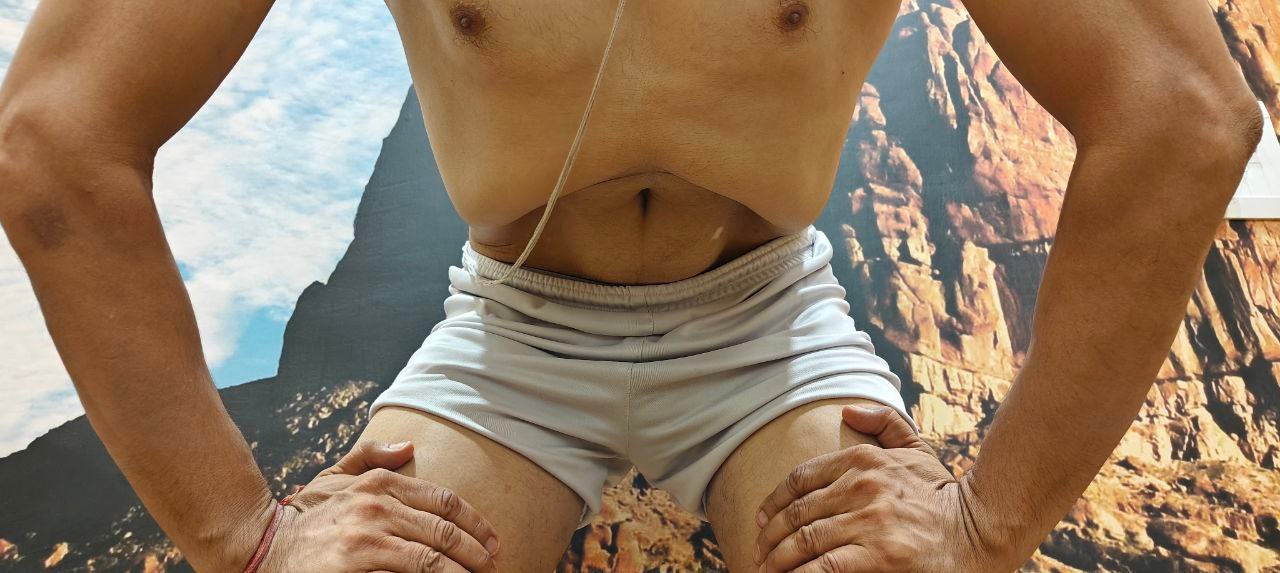
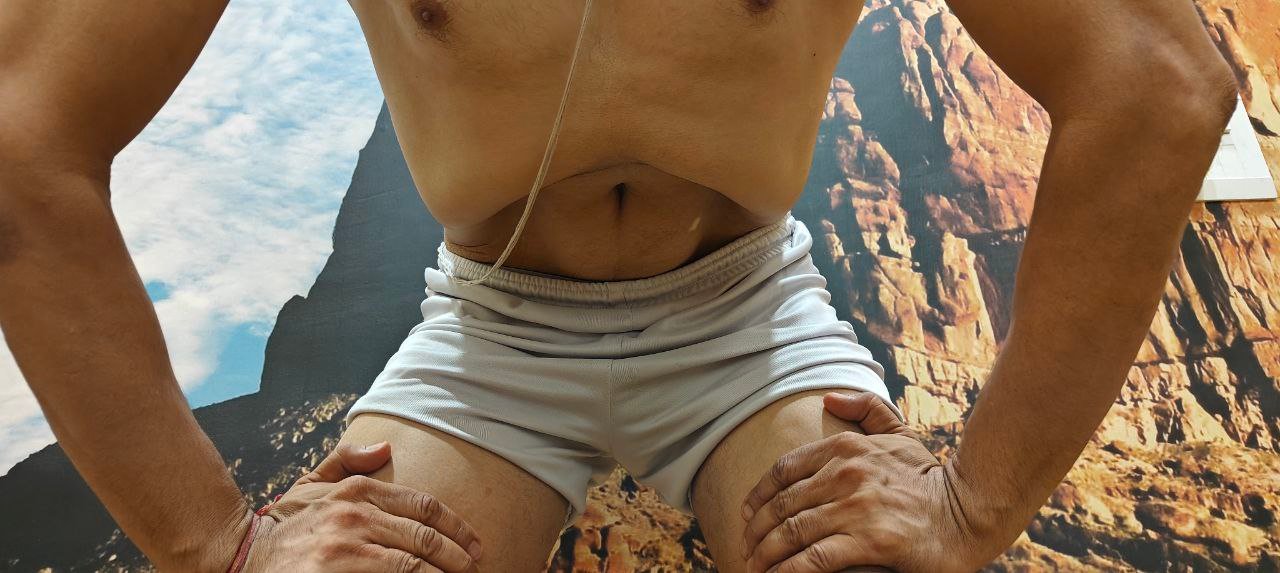
Madhya Nauli Stand with balanced posture, placing equal weight on both feet. Place your palms on your thighs, lean forward slightly, and attempt to pull your abdominal muscles to the center.
Left Nauli Shift all abdominal muscles to the left side by applying gentle pressure on the left thigh.
Dakshina Nauli Similarly, apply gentle pressure on the right thigh to pull all abdominal muscles to the right side.
Nauli Sanchalan (Bhramar Nauli) With both hands on the knees, rotate your abdominal muscles from right to left and then from left to right. Repeat both clockwise and counterclockwise rotations equally.
Benefits of Nauli Kriya
Enhances Digestive Power: Strengthens the stomach muscles and digestive system.
Relieves Constipation: Helps alleviate constipation by massaging abdominal organs.
Supports Weight Loss: Contributes to reducing belly fat.
Alleviates Gas Problems: Eases gas-related issues while toning abdominal muscles.
Precautions
Practice Nauli Kriya on an empty stomach only.
Avoid this practice if you have high body heat or bile dominance.
Pregnant women and individuals with hernias or recent abdominal surgeries should refrain from practicing.
Women should avoid Nauli Kriya during menstruation.
People with back pain should also avoid Nauli Kriya.
Post-Practice Tip
After practicing Nauli Kriya, enjoy a glass of warm milk mixed with two spoons of ghee, dry ginger, and black pepper. This combination strengthens the abdominal muscles from within. Practice Nauli Kriya in repetitions of seven: seven clockwise rotations and seven counterclockwise.
Thank you, and with heartfelt gratitude! Stay happy, keep smiling, and may God bless you with health and joy! 🙏
“Yoga can transform everyone, but we cannot change anyone.” These are the words of Yogacharya Dhakaram Sapkota, a renowned yoga instructor from Jaipur. Yogacharya Dhakaram, the founder of Yoga Peace and a recipient of numerous national and international awards, began his yoga journey in 1989 under the guidance of his guru, Suraj Karan Jindal, in Jaipur.
In 1998, Dhakaram, along with his dear friend Sharat Dhakad, established Yoga Peace, an institution that offers classes and workshops for people of all levels, with a focus on therapeutic yoga. He is well-versed in acupressure, acupuncture, Sujok therapy, twist therapy, smile meditation, smile yoga, and naturopathy. To date, Yoga Peace has trained over 3,000 yoga instructors who are now spreading the art of yoga across the world. The institute has also helped more than 50,000 people overcome ailments like high blood pressure, arthritis, asthma, thyroid issues, knee pain, and sciatica through regular yoga practice, without the need for medication.
What types of yoga training or classes are offered at your institute that benefit people?
We offer six distinct types of services:
Yoga Teacher Training Program: A rigorous 8-month, 1,800-hour program with daily 8-hour sessions. People from India and abroad participate in this program to become certified yoga instructors.
Therapeutic Yoga: Therapeutic Yoga session at YogaPeace is a personalized session that uses props, yoga poses, breathing exercises, and meditation to improve physical and mental health for people with specific health conditions.
Anandam for Corporates: This program trains corporate professionals to be energetic and productive, helping them perform their tasks with joy and enthusiasm.
Yoga for Sports: Since yoga is recognized as a sport in India, we prepare individuals for yoga competitions.
Anandam: This program teaches techniques for physical, mental, and spiritual growth, aiming to bring joy into one’s life through regular asanas, pranayama, and meditation. Dhakaram emphasizes that while yoga can transform everyone, we cannot change anyone.
Anandam for Students: Designed for parents, teachers, and children, this program helps improve children’s concentration, memory, and personal development through engaging and fun methods.
Many people with busy schedules cannot attend yoga centers for one or two hours a day. Can you suggest 10-15 minute yoga routines for different times of the day to help them stay fit?
Any amount of yoga is beneficial, and an hour to an hour and a quarter daily is ideal for feeling your best. However, if time is limited, here’s a short routine:
Morning: 3 minutes of Tadasana, 3 minutes of Bhastrika pranayama, and 3 minutes of meditation.
After lunch: 5 minutes of Vajrasana, 5 minutes of Bhramari pranayama, and 5 minutes of deep breathing or Anulom-Vilom pranayama.
Before dinner: 2 minutes of Konasana, 5 minutes of seated Katichakrasana or Bharadvajasana, and 3 minutes of Uttanasana.
How can we use breathing exercises to stay fit, and which exercises should we do?
Breathing is essential to life, but dedicating 15-20 minutes daily to deep breathing is highly beneficial. It can be done at any time of the day and is simple yet effective.
However, for maximum benefit, deep breathing and meditation should be done on an empty stomach in the morning or evening, or in Vajrasana after a meal.
How have you improved your health through yoga, and what changes have you experienced?
I remain joyful and never compromise my happiness. No matter the ups and downs of life, I don’t stress. I’ve been passionate about yoga since the age of 9, and I continue to practice yoga for about two hours daily.
This year’s International Yoga Day theme is ‘Yoga for Self and Society.’ What does it mean?
If you are healthy, only then can you talk about health and fitness with others. You can inspire those around you by practicing daily. First, love yourself, then your family, and finally, show love for society.
Many working women and housewives don’t practice yoga due to time constraints, and some believe yoga should only be done in the morning. Do you think it’s okay to practice yoga whenever time allows?
If our Prime Minister and legendary actor Amitabh Bachchan can make time for yoga, why can’t we?
Women, in particular, should fit yoga into their schedules in small portions, as surgeries can be costly. For hormonal issues, poses like Sirsasana, Sarvangasana, Setubandhasana, Baddha Konasana, and Uttanasana should be practiced under the guidance of a yoga teacher. Pranayamas like Kapalbhati, Bhastrika, and Bhramari are also recommended. Regular practice can provide relief from PCOD, stress, and thyroid issues, and even lead to their resolution.
BMI tests show that organ weakness can reduce longevity. Which yoga practices help maintain organ health?
For healthy organs, practices such as Baddha Konasana, Tadasana, Uttanasana, Sirsasana, Sarvangasana, Halasana, and Shashankasana are beneficial. For knee and leg health, practice Utthita Trikonasana, Uttanasana, and Gulp Naman Kriya. For back health, practice Tadasana, Bharadvajasana, Jathara Parivartanasana, and Markatasana. For cervical health, practice Griva Shakti Vikasak 1, 2, 3, and 4, along with Skandhchakra. For brain health, Sirsasana, Sarvangasana, Uttanasana, Adho Mukha Svanasana, Bhramari, and Nadi Shodhana pranayama are highly beneficial.
It’s said that you have helped many people control addiction through yoga. Is that true?
Yes, many people struggling with addiction come to us. We incorporate yoga into their daily routine for a few months, and practices like Purvottanasana, Supta Baddha Konasana, Supta Sukhasana, Sirsasana, Sarvangasana, and Setubandhasana help them overcome addiction.
Hari Om, and a smiling greeting to all of you! How are you all? I trust you’re doing wonderfully—healthy, joyful, and full of life. Welcome to today’s program, dear friends.
Today, we will explore five essential yoga asanas (postures) that, when practiced regularly, can transform your life. These five postures are enough to maintain the health of your entire body, from head to toe.
The Importance of These Asanas
It’s crucial to understand why these asanas are important. When we understand the method and the benefits, we perform the practice with our heart and soul. These asanas are not just exercises—they are life-changing practices.
Let’s reflect: when we do yoga asanas, we engage both the body and the mind. Specifically, two of these asanas target the legs, and two focus on the spine, the core of our body’s structure.
In an earlier video, we discussed how walking alone isn’t enough to keep the body fit. We outlined the five asanas you should include in your daily routine. Today, we’re revisiting those asanas with further insights.
The Five Key Yoga Postures
Here are the five asanas we recommend for daily practice:
Tadasana (Mountain Pose): This posture stretches the spine, promoting flexibility and strength. For more information, we have a detailed video on our YouTube channel.
Konasana (Angle Pose): This posture involves bending the spine to the right and left, which is beneficial for spinal health and overall flexibility.
Slowly raise your arms from your sides, bringing your palms together as you stretch them upwards toward the ceiling.
Tighten your buttocks, thighs, knees, and stomach muscles.
Expand your chest and stretch your spine upward.
This asana benefits your spine, hands, legs, lungs, and heart. Practicing it regularly will improve your posture and overall flexibility.
2. Konasana (Angle Pose)
Stand with your feet shoulder-width apart.
Raise your arms above your head, palms together.
Tilt your body to the right, allowing your right hand to rest on your right leg while your left arm stretches overhead.
Repeat on the left side.
This posture strengthens the sides of your torso and helps improve balance and flexibility.
3. Kati Chakrasana (Waist Twisting Pose)
Stand with your feet shoulder-width apart.
Raise your arms to the sides.
Twist your body to the right, bringing your right hand behind your back and touching your navel.
Place your left hand on your right shoulder and twist as much as possible.
Repeat the twist on the left side.
Kati Chakrasana improves digestion, spinal flexibility, and energizes the body.
4. Ardha Chakrasana (Half Wheel Pose)
Stand with your feet together and place your hands on your waist.
Expand your chest and slowly bend backward as far as you can.
Hold the pose for a few seconds before gently returning to the starting position.
This pose strengthens the lower back and promotes better posture.
5. Uttanasana (Standing Forward Bend)
Stand with your feet together.
Raise your hands and slowly bend forward from the hips.
Try to touch your ankles or the floor with your hands, keeping your legs straight.
Uttanasana provides a deep stretch to the hamstrings, calves, and back, and it’s excellent for calming the mind.
These five yoga postures are incredibly beneficial for your body, especially your spine. Practicing them regularly can purify your body, strengthen your core, and improve flexibility. They also enhance brain function and bring peace to your mind.
Incorporate these asanas into your daily routine and experience the profound changes they can bring to your life. Keep practicing, and enjoy the journey toward a healthier, happier you!
Nauli Kriya is a powerful yoga technique that helps strengthen the abdominal organs and improve the digestive system. In this article, we will discuss the easy way to learn Nauli Kriya as explained by Yogacharya Dhakaram.
What is Nauli Kriya?
Nauli Kriya is a yoga practice that involves contracting and relaxing the abdominal muscles, creating a wave-like movement in the abdomen. This action massages the abdominal organs, promotes blood circulation, and improves digestion.
Benefits of Nauli Kriya:
Strengthens the digestive system
Relieves constipation and indigestion
Keeps abdominal organs healthy
Helps reduce belly fat
Improves the respiratory system
Reduces stress and anxiety
Yogacharya Dhakaram’s Tips for Learning Nauli Kriya:
Start Slowly: Begin learning Nauli Kriya gradually. Initially, practice just contracting and relaxing the abdominal muscles a few times.
Pay Attention to Breathing: Controlling your breath is important while performing Nauli Kriya. Expand your abdomen when inhaling and contract it when exhaling.
Practice Regularly: It takes time to learn Nauli Kriya. Practice regularly and gradually improve your technique.
Stay Comfortable: Be in a comfortable position while practicing Nauli Kriya, and stop immediately if you feel any pain.
Important Points to Consider When Learning Nauli Kriya:
Consult your doctor before learning Nauli Kriya, especially if you have any health issues.
Start with small sets initially and gradually increase the duration of your practice.
Pay attention to your body during practice and stop immediately if you feel any pain.
According to Yogacharya Dhakaram, learning Nauli Kriya is easy, but it requires regular practice. Listen to your body, start slowly, and be patient. Nauli Kriya can benefit both your body and mind.
योग सबको बदल सकता है, हम किसी काे बदल नहीं सकते। यह कहना है जयपुर के योगाचार्य ढाकाराम सापकाेटा का। जयपुर के प्रमुख योग शिक्षक और योगपीस के संस्थापक कई राष्ट्रीय व अंतरराष्ट्रीय पुरस्कार प्राप्त कर चुके हैं। इनकी योग यात्रा 1989 में शुरू हुई, जब इन्होंने जयपुर के अपने गुरु सूरज करण जिंदल से से योग शिक्षा आरंभ करी।
योगाचार्य ढाकाराम ने 1998 में अपने परम प्रिय मित्र शरत धाकड़ के साथ मिलकर योगापीस की स्थापना की, जहां सभी स्तर की कक्षाएं और कार्यशालाएं आयोजित होती हैं। यहां चिकित्सीय योग में विशेषज्ञता रखता है। आपको एक्युप्रेशर, एक्युपंचर, सुजोक चिकित्सा, ट्विस्ट थैरेपी, स्माइल मेडिटेशन, स्माइल योग और प्राकृतिक चिकित्सा का विशेष ज्ञान है। योगापीस संस्थान अब तक 3 हजार से ज्यादा योग क्षिक्षक तैयार कर चुके हैं, जो देश-दुनिया में योग की ट्रेनिंग दे रहे हैं। यहां अब तक उच्च रक्तचाप, निम्न रक्ताचाप, आर्थराइटिस, अस्थमा, थाइराइड, घुटनों का दर्द, साइटिका इत्यादि समस्याओं से संबंधित लागभग 50 हजार से ज्यादा लोग बिना दवा के नियमित योग से ठीक हो चुके हैं।
आप कितने तरह से योग की ट्रेनिंग या कक्षाएं आपके यहां चलती हैं , जो लोगों के लिए लाभकारी है?
हमारे यहां छह तरह के अलग-अलग सेवा कार्य चलते हैं।
योग शिक्षक प्रशिक्षण कार्यक्रम (Yoga Teacher Training Program): इसके तहत 1,800 घंटे, लगभग 8 महीने तक रोजाना 8 घंटे का योगा टीचर्स ट्रेनिंग प्रोग्राम होता है जिसमें देश-विदेश से लोग आते हैं।
आनंदम फाेर काॅर्पाेरेट: इसमें कॉर्पोरेट हाउस से जुड़े लोगों को एनर्जेटिक और बेहतर आउटपुट की ट्रेनिंग देते हैं जिससे अपने कार्य आनंद के साथ कर सकें।
याेगा फाॅर स्पाेर्ट्स: भारत में याेग को खेल का दर्जा मिला हुआ है। हम उस तरह की प्रतियोगिता के लिए लोगों को तैयार करते हैं।
आनंदम: आनंदमय जीवन इसमें ऐसी टेक्निक सिखाते हैं ताकि वह शारीरिक मानसिक और आध्यात्मिक विकास कल अपने जीवन को आनंदमय बना सके। इसके लिए नियमित आसन, प्राणायाम तथा ध्यान कराते हैं। योगाचार्य ढाकाराम का कहना है कि योग सबको बदल सकता है, हम किसी काे बदल नहीं सकते हैं।
आनंदम फॉर स्टूडेंट्स: यह कार्यक्रम विशेष कर माता-पिता शिक्षक और बच्चों के लिए है ताकि बच्चों के संस्कार खूबसूरत होने के साथ उनका कंसंट्रेशन लेवल बढ़े, याददाश्त तेज हो और पढ़ाई को खेलने कूदते करें ताकि स्वयं का विकास हो सके और विश्व का कल्याण हो।
बिजी लाइफ में बहुत से लोग एक साथ एक या दो घंटे के लिए योगा सेंटर नहीं जा पाते, क्या आप उनको तीन प्रहर के हिसाब से 10 से 15 मिनट के योग कैप्सूल बता पाएंगे ताकि वे फिट रह सकें?
अमृत जितना मिल जाए उतना अच्छा है। वैसे रोज एक से सवा घंटे योग कर आप बेहतर महसूस करेंगे। अगर समय का अभाव है तो:
सुबह: 3 मिनट ताड़ासन, 3 मिनट भस्त्रिका और 3 मिनट ध्यान करें।
लंच के बाद: 5 मिनट वज्रासन, 5 मिनट भ्रामरी, 5 मिनट डीप ब्रीदिंग या अनुलाेम-विलाेम करें।
रात के खाने से पहले: 2 मिनट कोेणासन, चेयर पर 5 मिनट कटिचक्रासन या भारद्वाजासन और 3 मिनट उत्तानासन कर सकते हैं।
ब्रीदिंग एक्सरसाइज कब और कितनी देर कर हम खुद काे फिट रख सकते हैं, कौन सी एक्सरसाइज करनी चाहिए?
वैसे तो श्वास के बिना जिंदा नहीं रह जा सकता परंतु रोजाना 15 से बीस मिनट डीप ब्रीदिंग करना बहुत ही अच्छा है इसे दिन में कभी भी किया जा सकता है । यह बहुत ही साधारण, लेकिन कारगर है।
यह ध्यान रहे सुबह-शाम खाली पेट और दोपहर में खाने के बाद वज्रासन डीप ब्रीदिंग और ध्यान कर सकते हैं ।
आपने योगिक क्रियाओं के जरिए खुद के स्वास्थ्य को कैसे बेहतर किया, क्या परिवर्तन महसूस किया?
मैं मस्त रहता हूं और अपनी खुशी से समझौता नहीं करता है। कितने भी उतार-चढ़ाव आएं, किसी तरह का स्ट्रेस नहीं लेता। जब 9 साल का था, तब से याेग सीखने की ललक थी। मैं अब भी रोज लगभग 2 घंटे योग का अभ्यास करता हूं।
इस साल योग दिवस की थीम ‘योगा फॉर सेल्फ एंड साेसायटी’ है। इसके मायने क्या समझे जाएं?
आप खुद स्वस्थ रहेंगे ताे ही दूसरों के लिए हेल्थ या फिटनेस की बात कर सकेंगे। अपने आसपास के लाेगाें को प्रेरित कर सकेंगे। रोज इसके लिए साधना करें। सबसे पहले खुद से प्यार करें, फिर परिवार से और उसके बाद समाज के प्रति प्रेम दिखाएं।
बहुत-सी कामकाजी महिलाएं या हाउसवाइफ समय की कमी से याेग नहीं करतीं। दूसरा सब यह कहते हैं सुबह याेग कराे। बदलते वक्त में क्या यह सही नहीं हाेगा कि जब समय मिले तब ही योग कराे?
जब हमारे देश के प्रधानमंत्री साहब समय निकालते हैं, बिग बी मतलब अमिताभ बच्चन साहिब समय निकालते हैं ताे हम क्यों नहीं निकालते।
छोटी-छोटी सर्जरी में बहुत खर्चा आता है। महिलाओं को टुकड़ों में समय निकालकर योग करना चाहिए। हार्मोन प्रॉब्लम के लिए शीर्षासन, सर्वांगासन, सेतुबंध आसन, बद्ध कोणासन, उत्तानासन को शुरूआत में किसी योग शिक्षक के देखरेख में ही करना चाहिए। प्राणायाम में कपालभाति, भस्त्रिका, भ्रामरी करना चाहिए । योग से पीसीओडी, स्ट्रेस और थायराइड में भी बहुत आराम मिलता है और नियमित करने से यह सही भी हो जाता है।
बीएमआई टेस्ट में आर्गन की कमजोरी की वजह से लाेगाें की उम्र ज्यादा आती है। ऐसे में कौन से याेग हैं जिनके सहारे हम ऑर्गन काे स्वस्थ रख सकते हैं?
घुटनों और पैरों को स्वस्थ रखने के लिए उत्थित त्रिकोणासन, उत्तानासन, गुल्फ नमन क्रिया करें
कमर के लिए ताड़ासन, भारद्वाजासन, जठरपरिवर्त नासन, मर्कटासन करें।
सर्वाइकल के लिए ग्रीवा शक्ति विकासक 1 2 3 और 4 और स्कंधच्रक की क्रियाएं करनी चाहिए।
मस्तिष्क के लिए शीर्षासन, सर्वागासन उत्तानासन, अधोमुखा स्वान आसन और भ्रामरी व नाडी शोधन प्राणायाम बहुत फायदेमंद है।
ऐसी जानकारी है कि आप योग के माध्यम से नशा प्रवृत्ति पर काफी हद तक अंकुश लगाते हैं?
यह सही है कि बहुत से नशा प्रवृति से जुड़े लोग आते हैं। उनको सामान्य दिनचर्या के साथ कुछ महीने तक योगाभ्यास कराते हैं। इसके लिए पुर्वाेत्तान, सुप्तबद्धकाेणासन, सुप्त सुखासन, शीर्षासन सर्वागासन सेतुबंध सर्वागासन इत्यादि करने से लाभ मिलता है।
योग सबको बदल सकता है, हम किसी काे बदल नहीं सकते। यह कहना है जयपुर के योगाचार्य ढाकाराम सापकाेटा का। जयपुर के प्रमुख योग शिक्षक और योगपीस के संस्थापक दो बार अंतरराष्ट्रीय स्वर्ण पदक और कई राष्ट्रीय पुरस्कार प्राप्त कर चुके हैं। इनकी योग यात्रा 1993 में शुरू हुई, जब इन्होंने जयपुर के अपने गुरु सूरज करण जिंदल से से योग शिक्षा आरंभ करी।
योगाचार्य ढाकाराम ने 1998 में योगपीस की स्थापना की, जहां सभी स्तर की कक्षाएं और कार्यशालाएं आयोजित होती हैं। इन्होंने ‘एकम योग’ की स्थापना की, जो चिकित्सीय योग में विशेषज्ञता रखता है। इनके यहां एक्युप्रेशर, सुजोक चिकित्सा, ट्विस्ट थैरेपी, स्माइल मेडिटेशन, स्माइल योग और प्राकृतिक चिकित्सा की सुविधा है। योगापीस संस्थान अब तक 3 हजार योग टीचर तैयार कर चुके हैं, जो देश-दुनिया में योग की ट्रेनिंग दे रहे हैं। यहां अब तक आर्थराइटिस, अस्थमा, थाइराइड, नी-पेन, साइटिका के 50 हजार लोग बिना दवा के नियमित योग से ठीक हो चुके हैं।
1 – आप कितने तरह से योग की ट्रेनिंग देते हैं, जो लोगों के लिए लाभकारी है?
हम अलग तरह से योग की ट्रेनिंग देते हैं।
योग ट्रेनिंग: इसके तहत 1800 घंटे का योगा टीचर्स ट्रेनिंग प्रोग्राम करते हैं।
आनंदम फाेर काॅर्पाेरेट: इसमें कॉर्पोरेट हाउस से जुड़े लोगों को एनर्जेटिक और बेहतर आउटपुट की ट्रेनिंग देते हैं।
याेगा फाॅर स्पाेर्ट्स: भारत में याेग को खेल का दर्जा मिला हुआ है। हम उस तरह की प्रतियोगिता के लिए लोगों को तैयार करते हैं।
आनंदम: इसमें ऐसी टेक्निक देते हैं ताकि खुशी मिलती रहे। इसके लिए नियमित आसन, प्राणायाम तथा ध्यान कराते हैं।
योगाचार्य ढाकाराम का कहना है कि योग सबको बदल सकता है, हम किसी काे बदल नहीं सकते हैं।
2 – बिजी लाइफ में बहुत से लोग एक साथ एक या दो घंटे के लिए योगा सेंटर नहीं जा पाते, क्या आप उनको तीन प्रहर के हिसाब से 10 से 15 मिनट के योग कैप्सूल बता पाएंगे ताकि वे फिट रह सकें?
अमृत जितना मिल जाए उतना अच्छा है। वैसे रोज एक से सवा घंटे योग कर आप बेहतर महसूस करेंगे। अगर समय का अभाव है तो:
सुबह: 3 मिनट ताड़ासन, 3 मिनट भस्त्रिका और 3 मिनट ध्यान करें।
लंच के बाद: 5 मिनट वज्रासन, 5 मिनट भ्रामरी, 5 मिनट डीप ब्रीदिंग या अनुलाेम-विलाेम करें।
रात के खाने से पहले: 2 मिनट कोेणासन, चेयर पर 5 मिनट कटिचक्रासन या भारद्वाजासन और 3 मिनट उत्तानासन कर सकते हैं।
यह ध्यान रहे सुबह-शाम खाली पेट और दोपहर में खाने के बाद आसन करें।
3 – ब्रीदिंग एक्सरसाइज कब और कितनी देर कर हम खुद काे फिट रख सकते हैं, कौनसी एक्सरसाइज करनी चाहिए?
रोजाना 15 मिनट ब्रीदिंग एक्सरसाइज दिन में तीन-चार बार करना बेहतर है। यह बहुत ही साधारण, लेकिन कारगर आसन है।
4 – आपने योगिक क्रियाओं के जरिए खुद के स्वास्थ्य को कैसे बेहतर किया, क्या परिवर्तन महसूस किया?
मैं मस्त रहता हूं और अपनी खुशी से समझौता नहीं करता है। कितने भी उतार-चढ़ाव आएं, किसी तरह का स्ट्रेस नहीं लेता। जब 9 साल का था, तब से याेग सीखने की ललक थी। मैं अब तक योग संबंधित पुस्तक भी पढ़ता हूं।
5 – इस साल योग दिवस की थीम ‘योगा फॉर सेल्फ एंड साेसायटी’ है। इसके मायने क्या समझे जाएं?
आप खुद स्वस्थ रहेंगे ताे ही दूसरों के लिए हेल्थ या फिटनेस की बात कर सकेंगे। अपने आसपास के लाेगाें को प्रेरित करें। रोज इसके लिए साधना करें। सबसे पहले खुद से प्यार करें, फिर परिवार से और उसके बाद समाज के प्रति प्रेम दिखाएं।
6 – बहुत-सी कामकाजी महिलाएं या हाउसवाइफ समय की कमी से याेग नहीं करतीं। दूसरा सब यह कहते हैं िक सुबह याेग कराे। बदलते वक्त में क्या यह सही नहीं हाेगा कि जब समय मिले तब ही योग कराे?
जब पीएम समय निकालते हैं, बिग बी समय निकालते हैं ताे हम क्यों नहीं निकालते। छोटी-छोटी सर्जरी में बहुत खर्चा आता है। महिलाओं को टुकड़ों में समय निकालकर योग करना चाहिए। हार्मोन प्रॉब्लम के लिए शीर्षासन, सर्वांगासन, सेतुबंध आसन, बद्धकोणासन, उत्तानासन को ट्रेनर की देखरेख में ही करना चाहिए। प्राणायाम, कपालभाति, भस्त्रिका, भ्रामरी करना चाहिए । इससे पीसीओडी, स्ट्रेस और थायराइड में भी आराम मिलेगा।
7 – बीएमआई टेस्ट में आर्गन की कमजोरी की वजह से लाेगाें की उम्र ज्यादा आती है। ऐसे में कौन से याेग हैं जिनके सहारे हम ऑर्गन काे स्वस्थ रख सकते हैं?
आसन और ध्यान करना जरूरी है।
पैरों के लिए उत्थित त्रिकोणासन, उत्तानासन, गुल्फ नमन क्रिया करें
कमर के लिए ताड़ासन, भारद्वाजासन, जठर परिवर्तनासन, मर्कटासन करें।
सर्वाइकल के लिए ग्रीवा शक्तििवकासक और स्कंधच्रक क्रिया करनी चाहिए।
ब्रेन के लिए शीर्षासन, उत्तानासन, अधोमुख श्वान आसन फायदेमंद है।
8 – ऐसी जानकारी है कि आप योग के माध्यम से नशा प्रवृत्ति पर काफी हद तक अंकुश लगाते हैं?
यह सही है कि बहुत से नशा प्रवृति से जुड़े लोग आते हैं। उनको सामान्य दिनचर्या के साथ कुछ महीने तक योगाभ्यास कराते हैं। इसके लिए पुर्वाेत्तान, सुप्तबद्धकाेणासन, सुप्त सुखासन, शीर्षासन करने से लाभ मिलता है।
Greetings to all with our smiling faces. Welcome to the program taking a step towards health and joy. Today, we will discuss how to bend backwards properly.
What happens if you bend backward incorrectly?
You may experience back pain.
The body structure may get disturbed.
Benefits of bending backward correctly:
Excellent for the spine.
Beneficial for the lungs and heart.
Method of bending backward:
Half Wheel Pose (Ardha Chakrasana):
Place your hands on your hips, pressing the hips downwards and lifting the chest outward.
Close your eyes, inhale deeply, and expand the chest as much as possible.
Keep the neck relaxed.
Focus on the muscles of the shoulders and chest.
Slowly lower your hands without opening your eyes.
Feel the changes happening in your body with closed eyes.
Focus on the muscles of the shoulders and chest.
Do not rush while bending backward.
Regular practice will yield good results.
Another method:
Take your hands behind your back, interlock your fingers, forming a pair of scissors.
Expand the chest forward and keep the neck backward.
Try to hold this position for at least one to two minutes.
When it becomes difficult to hold, slowly return to the normal position from the posture.
Feel the changes happening in your body with closed eyes.
Practicing the posture with closed eyes brings peace and joy to the mind.
It is very important if there is stiffness or pain in the shoulders and neck.
Points to Remember:
Bend backward by joining the ankles while bending forward, keeping the spine straight.
While performing the Half Wheel Pose, bend backward from the upper part of the chest.
Gently twist the vertebrae of the spine.
Benefits:
Beneficial for the chest, lungs, and heart.
Makes the spine flexible.
Beneficial for the muscles of the shoulders and neck.
Om shanti. Welcome to Yogapeace Sansthan’s program, “One Step Towards Health and Happiness.” Today, we explore the practice of meditation.
Many believe meditation is complex, but it’s neither easy nor difficult. The key is to abide in the present moment, free from the grip of past and future worries. Our minds, like pendulums, swing between them. The technique we’ll discuss will simplify your meditation journey.
Observe Your Thoughts, Don’t Judge Them
You might hear instructions like “don’t meditate here” or “don’t meditate there.” Our minds, like children, rebel against restrictions. Instead, we’ll learn to observe our thoughts without judgment.
Imagine watching traffic from the roadside. You don’t try to stop the vehicles; you simply observe their flow. Likewise, observe your thoughts, good or bad, as they come and go.
Finding Your Comfortable Seat
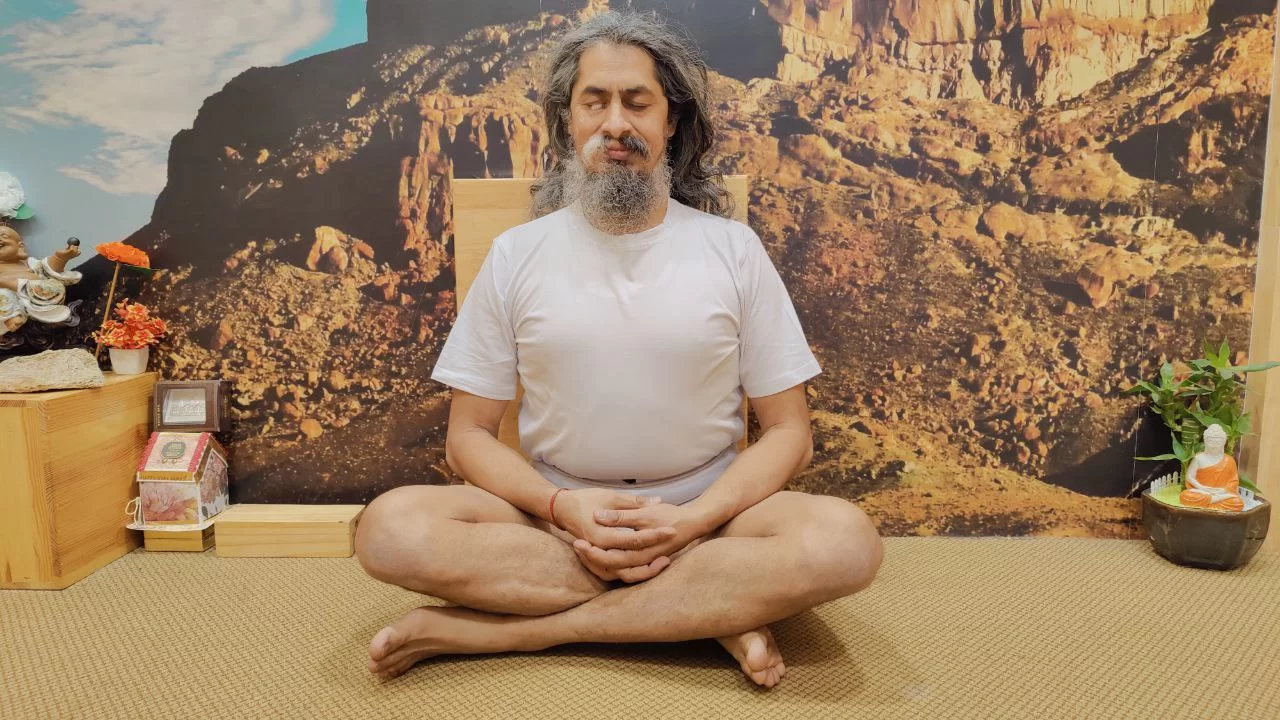
Begin by sitting comfortably in any posture that suits you, such as Padmasana (lotus), Sukhasana (easy pose), Siddhasana (perfect pose), or Vajrasana (diamond pose). Ensure your back and neck are straight, with an expanded chest and relaxed stomach muscles.
If you have back pain, use a cushion or block for support. You can even sit on a sofa, chair, or bed. Place your hands in Dhyana Mudra (meditation posture) on your lap and gently close your eyes. Soften your gaze and focus on your inner state. Relax your neck and facial muscles completely.
Letting Go of Thoughts
Thoughts will arise, but simply observe them. Don’t chase them away or dwell on them. Just as uninvited guests eventually leave if ignored, so too will your thoughts when you detach from them.
Meditation Anywhere, Anytime
Meditation isn’t confined to a specific place. You can practice it in a car, bus, train, airplane, office – anywhere!
Open Your Eyes and Embrace the Benefits
Slowly open your eyes. Regular meditation will gradually reduce thought fluctuations. When we pay attention to something, it takes hold of our minds. By detaching from thoughts, we take back control.
Practice Regularly, Experience the Shift
Whenever you feel stressed, incorporate meditation into your routine. You don’t need a special place – just 5-10 minutes a day. Yogacharya Dhakaram suggests that within 7 days of daily meditation, you’ll experience positive changes in your body and mind.
Greetings, everyone! A smiling welcome to our “One Step Towards Health and Joy” program. Today, let’s discuss the Netra Shakti Vikasak Kriya.
Eye Problems: A Growing Concern
In today’s era, we extensively use mobile phones, computers, and TVs, leading to common issues like dryness, weakness, and fatigue in the eyes. To prevent these problems and maintain healthy eyes, practicing the Netra Shakti Vikasak Kriya is essential.
What is Netra Shakti Vikasak Kriya?
This is a simple yoga activity that strengthens the eye muscles, enhances eyesight, and keeps eye-related issues at bay.
How to Perform Netra Shakti Vikasak Kriya:
Sit straight on the floor, chair, sofa, or bed.
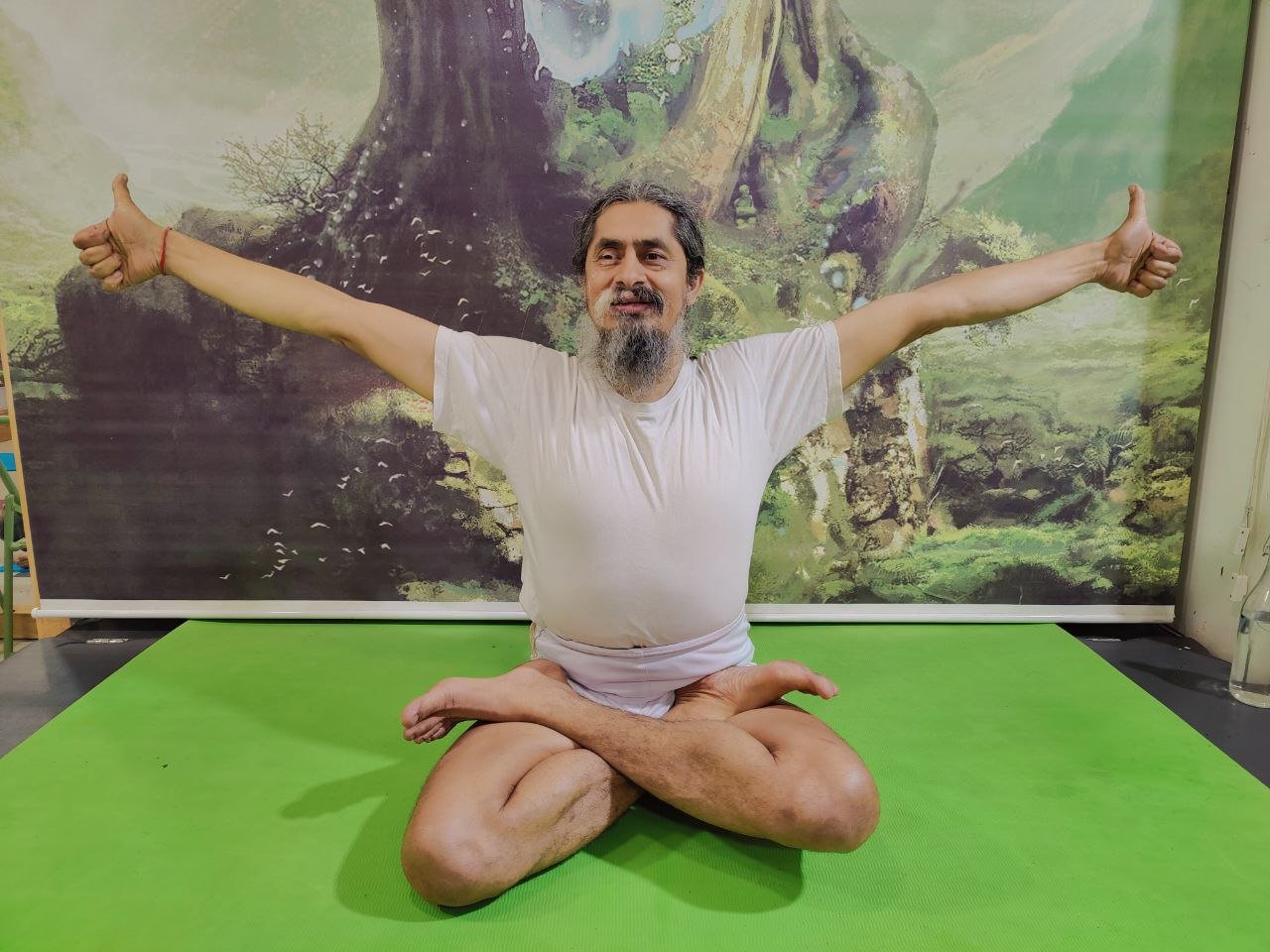
Extend both hands to shoulder level with fists made, keeping the thumb upwards.
Focus on the thumb of the right hand for 10-15 seconds with a tilted gaze. Keep your neck straight.
After pausing for 10-15 seconds, shift your eyes to the thumb of the left hand.
Slowly start moving your eyes to the right and left sides.
Repeat the activity. Practice for 15 seconds on the right side and 15 seconds on the left side. Repeat this process six times (three times to the right and three times to the left).
After performing the Netra Shakti Vikasak Kriya, close your eyes, let the eye muscles relax, and feel the changes.
Points to Remember During Netra Shakti Vikasak Kriya:
Keep your neck straight and gaze slightly tilted towards the thumb.
Keep your hands fully stretched and taut.
Maintain a smile on your face and stay stress-free.
Keep your shoulders in a relaxed position, not lifted.
Benefits of Netra Shakti Vikasak Kriya:
Strengthens eye muscles.
Improves eyesight.
Reduces dryness and weakness in the eyes.
Alleviates eye fatigue.
Prevents eye-related issues.
Additional Suggestions:
Wash your eyes with water while bathing.
Clean your eyes with cold water to keep them clear.
Include amla (Indian gooseberry) and papaya in your diet for eye health.
Rinse your eyes with triphala water to enhance eyesight.
Conclusion:
Netra Shakti Vikasak Kriya is a simple and effective practice that aids in maintaining healthy eyes. Regularly incorporate it into your routine to find relief from eye-related issues.