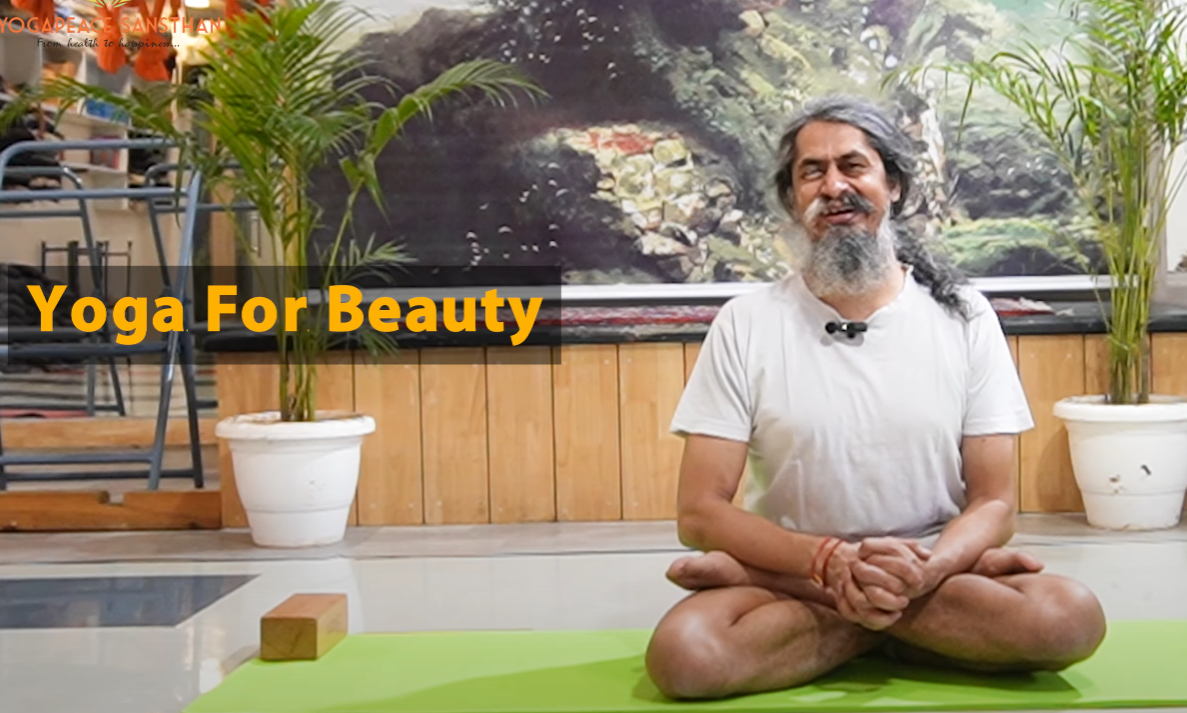
Hanuman ji-like Open Chest Sitting: Yogic and Scientific Secrets

Hari Om, dear friends!
Today, let us explore a special posture often described as “sitting with an open chest like Hanumanji.”

Hanumanji has always been revered as a symbol of discipline, energy, physical strength, and mental power. His chest is vast, steady, and open—instantly radiating confidence, vitality, prana (life-force), and patience.

From a yogic perspective too, such an open chest posture carries deep significance.

The True Meaning of “Expanding the Chest”

Expanding the chest does not simply mean taking a deep breath and puffing it out. Its real essence lies in:

  • Gently pulling the shoulders back
  • Lifting the chest upward and slightly forward
  • Keeping the spine erect

In this position, the body naturally comes into an “open” and balanced state.

Benefits of an Open Chest

Physical Benefits

  • More space for lungs → better oxygen intake → organs receive more energy
  • Less pressure on the heart → improved blood circulation
  • Straight spine → relief from back pain and posture-related issues
  • Open throat region → respiratory system remains clear
  • Reduced abdominal pressure → better digestion

Mental & Emotional Benefits

  • Open chest → boosts confidence and mental energy
  • Powerful posture → cultivates positive body language
  • Open-heart state → helps reduce stress and depression
  • Instills mindful affirmations like:
    • “I am sitting with complete sincerity.”
    • “I am ready.”
    • “I am fearless.”

Role of Chest Opening in Yoga

In yoga, opening the chest is closely connected with:

  • Activating the Anahata Chakra (Heart Chakra)
  • This chakra relates to love, compassion, balance, and connection.

When we sit hunched or contracted, not only does breathing get blocked, but mental energy also becomes weak.

“Hanuman-like Chest” – A Symbolic Attitude

  • Sitting with confidence
  • Sitting with devotion and surrender
  • Head bowed in humility, but chest steady with courage
  • Free from ego, yet radiating immense strength

Thus, “sitting with a chest like Hanumanji” is not merely a physical posture.
It is a process of balancing the mind, prana, and consciousness.
This is where the real journey of yoga begins.

Wishing you all health, joy, and inner bliss.

Thank you!
Yogacharya Dhakaram
Founder, YogaPeace Sansthan
Relieve Ankle and Knee Pain with Gulph Naman

Greetings, friends!

Welcome to the program “One Step from Health to Happiness.” Today, we will talk about Gulph Naman.

‘Gulph’ means ankle, and ‘Naman’ means bending or forward-backward movement. This is a simple yet very effective yogic practice that helps to strengthen and make flexible the ankles, calves, knees, and thighs. Especially, it is very beneficial for relieving ankle and knee pain.

How to do Gulph Naman:

  • Starting Position: First, sit on the ground. Stretch both legs straight in front of you in Dandasana posture. Keep about 1 to 1.5 feet distance between the legs.
  • Hand Position: Place your hands on the ground behind your waist. Keep your chest open and upright.
  • Pulling the Toes (Towards You): Join both feet together and pull the toes towards yourself (in the direction of the knees). Hold this stretch for about 15-20 seconds.
  • Pressing the Toes (Towards the Ground): Now press both toes downward toward the ground, as if trying to touch the floor. Hold this position also for 15-20 seconds.
  • Repeat the Cycle: This completes one cycle of “pulling toes” (towards you) and “pressing toes” (towards the ground). Do three such cycles (i.e., repeat each action three times).
  • Focus Attention: While pulling and pressing the feet, pay attention to the stretch felt in the heels, ankles, calves, knees, and thighs.
  • Relax: After completing the practice, completely relax your legs.
  • Feel the Difference: Before and after doing Gulph Naman, deeply feel the changes in your legs and joints.

Benefits of Gulph Naman:

  • Makes the muscles and joints of the ankles, calves, knees, and thighs strong and flexible.
  • Especially helpful in reducing ankle and knee pain.
  • Improves blood circulation in the legs.
  • Very beneficial for problems like varicose veins (swollen veins).

Precautions while doing Gulph Naman:

  • Slow Speed: Always perform the practice slowly and gently. Rushing reduces its effectiveness.
  • Feet Position: Always keep the heels and toes together. This ensures equal and complete stretch on both legs.
  • Facial Expression: Keep your eyes closed while doing the practice and maintain a gentle smile on your face. Do it with a calm and relaxed attitude.
  • Relaxation: After each cycle and at the end, completely relax your body, especially your legs.

How often should you do Gulph Naman?

  • People who have pain or stiffness in the ankles, calves, knees, or thighs should do Gulph Naman three times a day (morning, afternoon, and evening). (3 cycles each time).
  • For general health, it can be done once or twice a day.

Gulph Naman is an extremely *simple, convenient, and effective yoga practice. It works wonderfully for the health of the joints and muscles in the lower limbs. With regular practice, you can get relief from pain and stiffness in these areas. The best part is, you can even do this on your **bed! Just make sure the bed is *not too soft (spongy) and not too hard either. A medium-firm bed is best suited.

With that, thank you very much to all of you!

Yogacharya Dhakaram
Founder, Yogapeace Institute

Vakrasana: Your Natural Remedy for Diabetes and Digestive Health

Hari Om, dear friends! Greetings to all of you.

Welcome to the program “One Step from Health to Happiness.” Today, we will talk about *Vakrasana (Twisting Pose). Vakrasana is considered a powerful remedy for *diabetes. As you all know, diabetes slowly damages our body like termites. That’s why today we will discuss:

  • How to do Vakrasana?
  • What is the correct way to do it?
  • What precautions should be taken?
  • And what are the benefits?

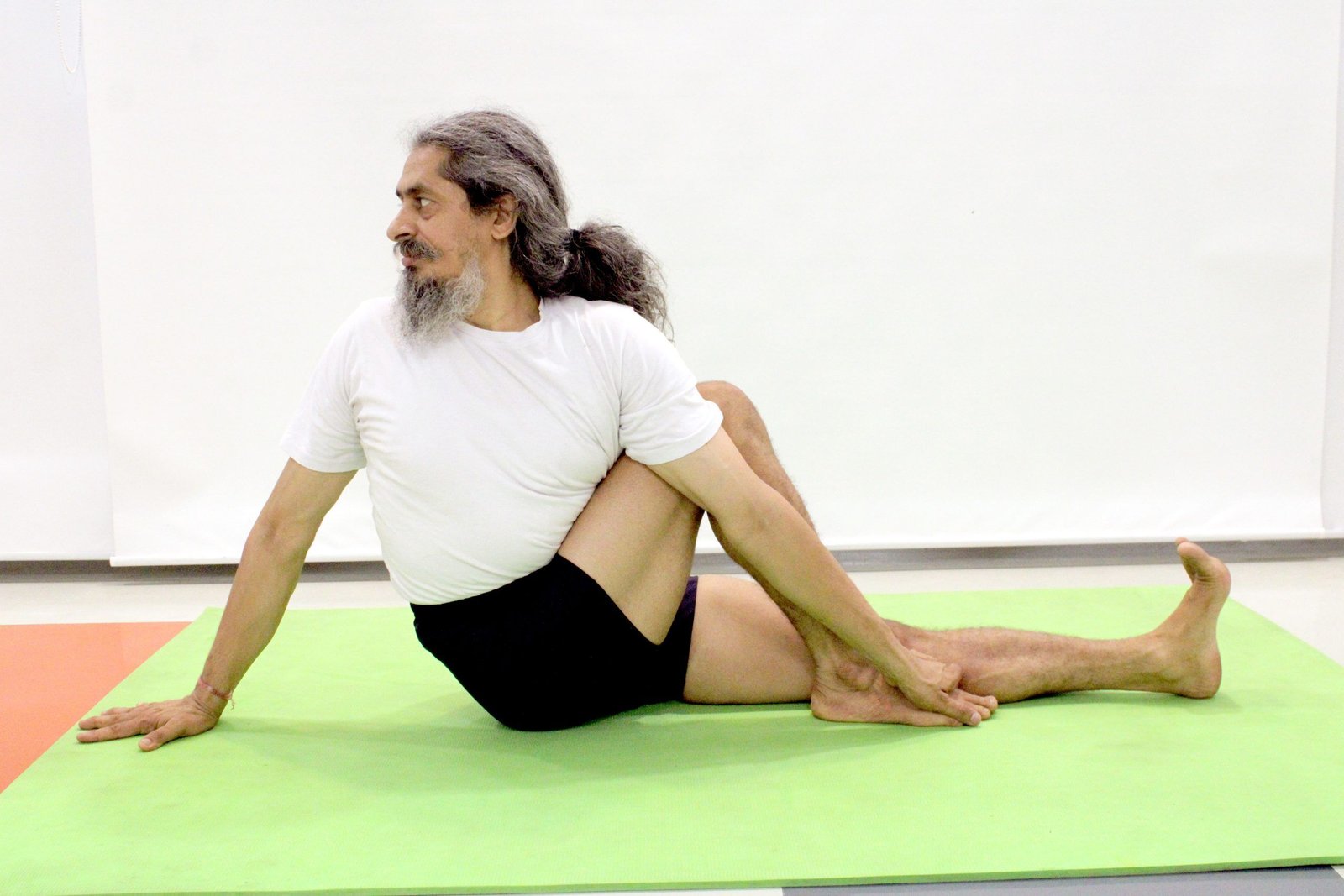
“Vakra” means twisting. Vakrasana is a simpler version of Ardha Matsyendrasana.
To do Vakrasana, first sit in Dandasana (we’ve discussed this earlier). For this:

  • Stretch both legs forward.
  • Keep a gap of 1 to 1.5 feet between the legs.
  • Place both hands on the ground behind your back for support.
  • Keep both heels and toes together and pull the toes towards yourself.
  • Now bend your right knee and bring its foot next to your left knee.
  • Make sure the knee and foot are in a straight line.
  • Keep the right knee at a 90-degree angle.
  • Place your right hand behind your waist.
  • Now, gently twist your upper body to the right, as much as you can comfortably.
  • Raise your left hand and bring it over the right thigh to hold the right foot.
  • Keep your back straight and try to twist as much as you can.
  • Try to stay in this position for at least 1 minute.
  • Then slowly return to the starting Dandasana position and rest for about 30 seconds.
  • After that, do the same steps on the left side.

Note: If someone has a big belly, they can use their hand to press the knee in the opposite direction to help twist the body.
For example, if you bend the right knee, try to move your body to the left using your left hand.

Precautions:

  • When bending the knee, keep it at a 90-degree angle.
  • Both hips should bear equal weight.
  • When twisting, the back hand should be aligned with the spine.
  • The back should stay straight.
  • Do not strain the neck; it should stay in line with the shoulders.
  • The toe of the straight leg should be pulled towards the body.
  • Weight should be equally distributed on both hips, and both hips should stay on the ground.

Who should not do Vakrasana:

  • Women who are on their period or who are pregnant.
  • People with ulcers or hernia.
  • Those with severe back pain should not do this pose. If they want, they can do it while sitting on a chair.

Benefits of Vakrasana:

  • It strengthens the digestive system.
  • Keeps the spine flexible.
  • It is a great remedy for diabetes.
  • It gives a good massage to all abdominal organs.

Thank you all very much.
Stay joyful, stay happy, and live in bliss!

Yogacharya Dhakaram
Founder, YogaPeace Sansthan

Melt Belly Fat and Strengthen Your Core with the Bipedal Circular Movement (Dwipada Vrittakar Kriya)

A warm, smiling greeting to you all! Welcome to our “A Step Towards Health and Happiness” program. Today, we’ll discuss the Bipedal Circular Movement, which helps melt fat accumulated on the stomach and waist.

How to Perform the Bipedal Circular Movement (Dwipada Vrittakar Kriya)

  1. Begin by lying on your back.
  2. Lift your upper body by supporting it on your elbows.
  3. Keep your chest expanded.
  4. Your shoulders and elbows should both be at a 90-degree angle.
  5. Ensure there’s no tension in your neck.
  6. Now, slowly lift both legs and make a large circle from the right side, rotating clockwise. Each circle should take at least 15 to 20 seconds.
  7. When you feel tired, relax in Shavasana (Corpse Pose). Release all tension in your body.
  8. Slowly come back onto your elbows and lift both legs, making a large circle from the left side, rotating counter-clockwise. Each circle should take at least 15 to 20 seconds.
  9. Rotate counter-clockwise for the same duration as you did clockwise.
  10. Once you’re tired and have completed equal circles on both sides, relax. Lie down in Shavasana.
  11. Observe the difference between the initial and final states. Relax the abdominal and waist muscles in Shavasana.

Important Points

  • Performing this movement on your elbows focuses the effect on the abdomen, not the lower back.
  • A general person should perform this movement 4-6 times clockwise and 4-6 times counter-clockwise, roughly for 3 minutes.
  • Individuals aiming to lose weight should perform it for 2 minutes clockwise and 2 minutes counter-clockwise.

Precautions

  • Ensure your shoulders and elbows are at a 90-degree angle.
  • Try to keep your elbows close together.
  • Keep your palms firmly placed on the ground.
  • Avoid any strain on your neck.
  • Keep your chest expanded throughout the movement.
  • Keep your knees straight.
  • If you have neck pain, swelling, or stiffness, perform the movement lying flat.
  • Avoid rushing; perform the movement calmly and smoothly.
  • Do not perform this during pregnancy or menstruation.
  • If you have stomach ulcers or back pain, perform the movement with one leg at a time.

Benefits

  • Melts fat accumulated on the stomach and waist.
  • Strengthens the digestive system.
  • Massages the abdominal muscles.
  • Reduces fat accumulated on the buttocks.
  • Strengthens the thigh muscles.

Thank you all very much. Stay happy, healthy, and joyful.

Yogacharya Dhaka Ram
Founder, YogaPeace Sansthan

Yoga Therapy: A Healing Practice

Hari Om! A warm, smiling welcome to you all. Today, we’ll be discussing yoga therapy.

What is Therapy?

Therapy means treatment. Treatment refers to the process of diagnosing and curing diseases. There are around 135 types of medical practices in the world, such as Allopathy, Homeopathy, Ayurveda, and more. The purpose of all these methods is to heal the body from various ailments.

What is Yoga Therapy?

Yoga therapy involves the use of yoga asanas, pranayama, and meditation to treat various health conditions. It is a natural and safe method that helps maintain both physical and mental well-being.

Benefits of Yoga Therapy:

Physical Benefits:

  • Strengthens muscles
  • Increases flexibility
  • Improves blood circulation
  • Maintains a healthy digestive system
  • Boosts the immune system

Mental Benefits:

  • Reduces stress and anxiety
  • Enhances sleep quality
  • Calms and stabilizes the mind
  • Increases self-confidence

Emotional Benefits:

  • Helps maintain emotional balance
  • Increases self-awareness
  • Develops a positive outlook on life

Yoga Therapy is for Everyone:

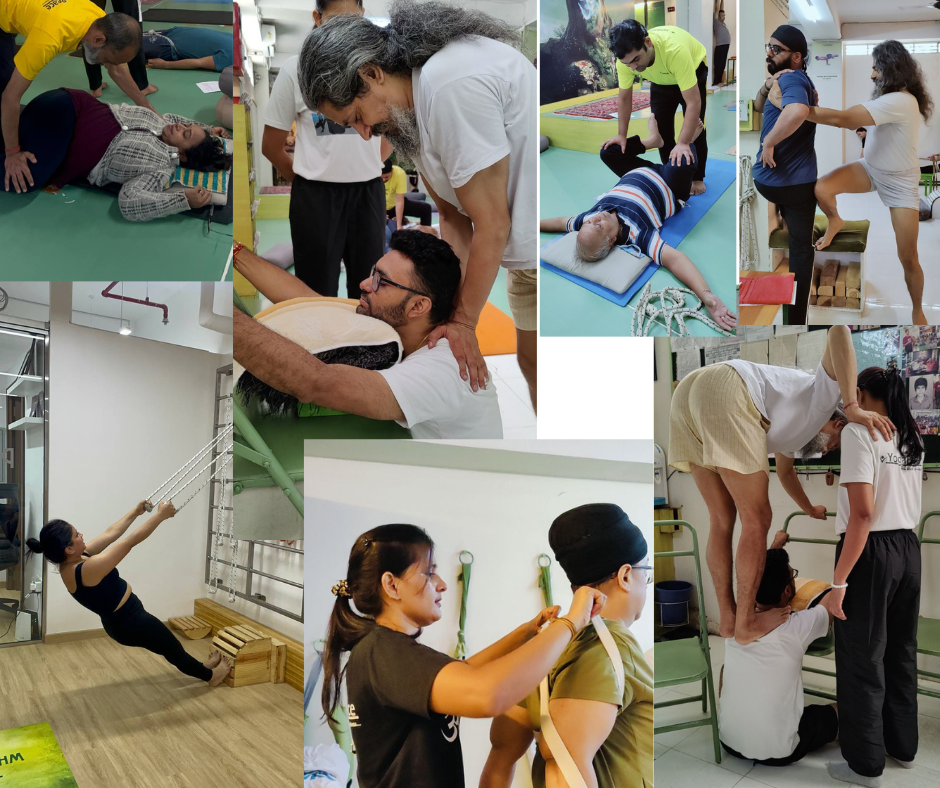
Yoga therapy is suitable for people of all ages and fitness levels. Even elderly individuals, who may have physical limitations, can improve their health through yoga therapy. The postures can be modified, and supportive props can be used to suit individual needs.

The Importance of a Good Yoga Guru:

Practicing yoga therapy under the guidance of a skilled yoga teacher is crucial. A yoga guru will teach the correct techniques, monitor your progress, and keep you motivated throughout your journey.

Yoga therapy is a powerful healing practice that helps maintain both body and mind. If you wish to improve your health, yoga therapy is an excellent choice.

Hari Om! Wishing you a happy and blissful day!

Yogacharya Dhaka Ram
Founder, YogaPeace Sansthan

Rubber Neti: A Wonderful Way to Health and Hygiene

Greetings to all with a warm smile! Welcome to our program, “From Health to Happiness.” In our last session, we discussed Jal Neti Kriya, and today, we will delve into the details of “Rubber Neti.”

What is Rubber Neti?

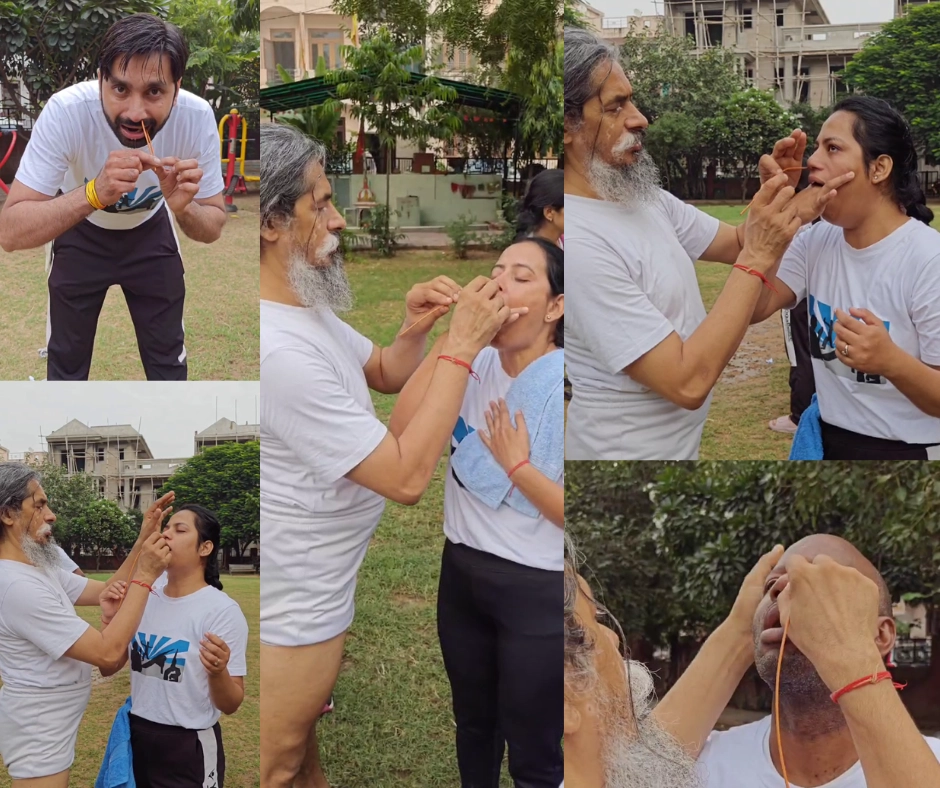
Rubber Neti is a simpler and more accessible alternative to Sutra Neti. While Sutra Neti uses a thread, Rubber Neti employs a soft and flexible rubber material, making it easier to use. This practice is especially beneficial for beginners trying Neti Kriya for the first time.

Preparation for Rubber Neti:

  1. Soak the Rubber Neti in lukewarm water to soften it.
  2. Apply a layer of ghee (clarified butter) to the open end of the Rubber Neti. Ensure the application is at the end with a small hole, aiding the breathing process.
  3. Check your nostrils to identify which one has better airflow, and begin the practice with that nostril.

Preparing the Nostrils:

  • The night before practicing Rubber Neti, put a few drops of almond oil or ghee in your nostrils. This helps clean and open the nasal passages.

Practice Procedure:

  1. Always breathe through your mouth during the practice.
  2. With your neck slightly raised, carefully insert the Rubber Neti into one nostril.
  3. Gently rotate and push the Rubber Neti into the nostril.
  4. When the other end of the Rubber Neti reaches the throat, use your thumb and index finger to pull it out through the mouth.
  5. Hold both ends and gently pull them back and forth.
  6. After completing the process, slowly remove the Rubber Neti from your mouth.
  7. Repeat the process with the other nostril.

Benefits of Rubber Neti

  1. Avoidance of Nasal Surgery:
    Regular practice of Rubber Neti can help rectify nasal bone growth issues (deviated septum), potentially avoiding surgery.
  2. Relief from Allergies:
    It effectively clears nasal allergies and blockages.
  3. ENT Health:
    Rubber Neti is highly beneficial for ear, nose, and throat (ENT) issues.

Precautions

  1. Safe Usage:
    Never insert the open end of the Rubber Neti into the nostril directly, as it may cause injury.
  2. Stay Calm:
    Maintain patience and caution during the practice.
  3. Practice Frequency:
    Once proficient, practicing Rubber Neti 1-2 times a month is sufficient.

Important Tips

  • Sneezing is common during the initial days of practice. It takes time for the nose to adapt to external elements, so don’t worry. This will improve with regular practice.

Wishing you all a joyful and healthy day!

Yogacharya Dhaka Ram
Founder, Yoga Peace Institute

Eye Strengthening Exercise for Enhancing Vision: A Step Towards Health and Happiness

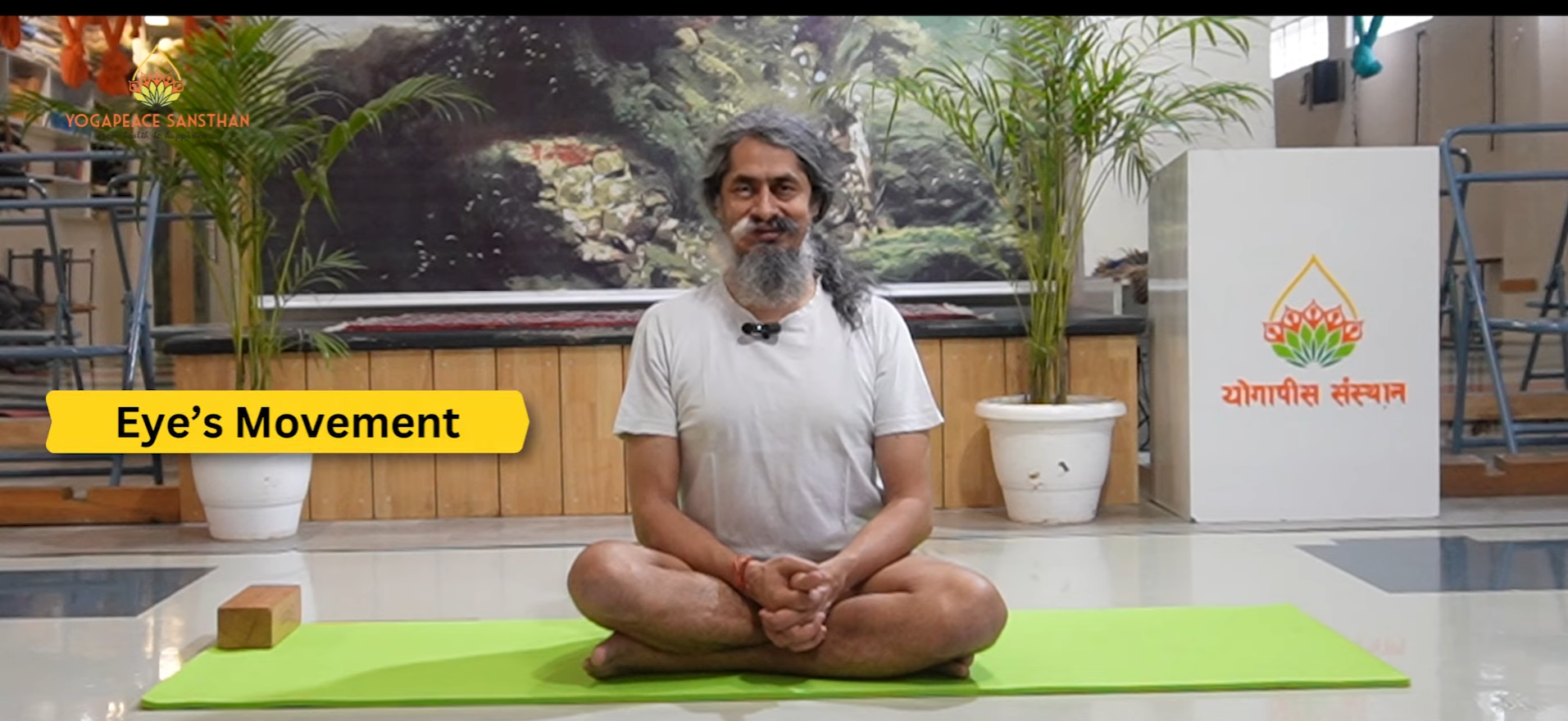
A warm and cheerful greeting to everyone! Dear friends, welcome to our program, “A Step Towards Health and Happiness.” Last time, we discussed *Jal Neti Kriya. Today, we will talk about *Netra Shakti Vikasak Kriya, which is highly beneficial for improving eye strength and vision.

How to Perform the Exercise:

  1. Starting Position: Sit straight. Keep your right hand upwards and your left hand downwards.
  2. Focus Your Vision: When you say “one,” focus your gaze on the thumb of your right hand.
  3. Look Downwards: When you say “two,” shift your gaze downwards.
  4. Repeat: Perform this exercise for 15 seconds.
  5. Relaxation: Close your eyes and rest for 30 seconds.
  6. Change Position: Now, keep your left hand upwards and your right hand downwards.
  7. Repeat: Perform this exercise again for 15 seconds.
  8. Relaxation: Close your eyes and rest for another 30 seconds.

Complete Cycle: Repeat this entire cycle six times.

Benefits:

  • Enhances eyesight.
  • Strengthens the eyes.
  • Relieves eye fatigue.

Note:

  • Regular practice of this exercise offers greater benefits.
  • It can be performed anywhere.
  • Ensure you are seated in a comfortable position while practicing this exercise.

By incorporating this practice into your routine, your eyes will stay healthy, allowing you to view this beautiful world with clarity and joy.

With this, we extend our heartfelt thanks to everyone. May your day be blessed, harmonious, and filled with happiness.

Yogacharya Dhakaram
Founder, Yoga Peace Institute

Lion Pose: Combining Strength and Calmness

By Yogacharya Dhakaram

Smile Greetings!
Welcome to our program, “From Health to Happiness.” Today, we delve into a simple yet profoundly beneficial yoga practice: Lion Pose.

Also known as “Singh Mudra,” Lion Pose is a powerful yoga posture that promotes strength, courage, and confidence while helping to reduce stress, anxiety, and depression.

Benefits of Lion Pose

1. Physical Benefits

  • Strengthens the immune system.
  • Tones the chest, shoulders, neck, and back.
  • Encourages deep and regular breathing, supporting healthy lungs.

2. Mental Benefits

  • Reduces stress, anxiety, and depression.
  • Calms and focuses the mind, enhancing sleep quality and meditation practices.

3. Other Benefits

  • Boosts confidence and cultivates a positive mindset.
  • May lower blood pressure and improve mood.
  • Enhances facial beauty and gives your eyes a natural massage.

How to Practice Lion Pose

  1. Start Position:
    • Come down onto your knees and palms with your palms at shoulder level.
    • Spread your feet hip-width apart.
  1. Alignment:
    • Keep your hands aligned with the shoulders, forming a 90-degree angle from shoulders to palms.
    • Create another 90-degree angle from hips to knees.
  2. Inhale and Move Backward:
    • Slightly move your body backward.
  3. Exhale and Engage:
    • Stick your tongue out completely.
    • Inflate your chest forward and direct your gaze upward.
    • Exhale completely, ensuring all facial muscles stretch.
  4. Observe:
    • Slowly bring your tongue back and return to the starting position.
    • Focus on your throat and facial muscles, ensuring a “scary lion-like” expression.
  5. Duration:
    • Perform the pose 5-7 times for 3-4 minutes, followed by a minute of observation.

Precautions

  • Avoid this pose if you have high blood pressure or neck issues.

Lion Pose is a transformative addition to your yoga practice. It cultivates physical strength and mental calmness, empowering you to face life’s challenges with grace and confidence.

We pray for God’s blessings upon you. May you be happy, healthy, and joyful!

Yogacharya Dhakaram
Founder, YogaPeace Sansthan

Bicycle Pedaling Movement (Cycling Exercise): A Simple and Effective Yogic Practice

Greetings to everyone! Welcome to our program, “From Health to Happiness.” Today, we will discuss a simple yet highly beneficial yogic exercise known as Bicycle Pedaling Movement. This practice resembles mimicking the motion of cycling and offers numerous health benefits.

Benefits of Bicycle Pedaling Movement

  1. Helps Reduce Belly Fat: This exercise is effective in burning excess fat accumulated around the abdomen.
  2. Strengthens Abdominal Muscles: It enhances the strength and endurance of the abdominal muscles.
  3. Improves Digestion: The exercise promotes a healthy digestive system by activating the core muscles.

How to Perform Bicycle Pedaling Movement

  1. Lie down on a yoga mat or a soft surface on your back.
  2. Place your elbows close together, aligned with your shoulders.
  3. Keep your chest expanded, resembling the posture of Lord Hanuman.
  4. Bring your heels and toes together and slowly bend your knees towards your chest.
  5. Lift both legs up at a 90-degree angle and then slowly lower them without letting the heels touch the ground.
  6. Perform the exercise in a clockwise direction for 1.5 to 2 minutes.
  7. Rest briefly, then repeat the exercise in an anti-clockwise direction for the same duration.
  8. After completing both directions, relax in the Shavasana (Corpse Pose) for a few minutes.

Precautions

  • Elbow and Shoulder Alignment: Ensure that your elbows and shoulders are in a straight line.
  • Expand Your Chest: Keep your chest expanded during the exercise for maximum benefits.
  • Relax Your Neck: Keep your neck muscles relaxed throughout the practice.
  • Knees Together: Maintain contact between your knees while performing the exercise.
  • Difficulty in Lifting Legs: If lifting your legs to a 90-degree angle is challenging, try lifting them to a 60-degree angle instead.
  • Practice with One Leg: If both legs are difficult to lift simultaneously, perform the exercise using one leg at a time.

Special Considerations

  • Pregnant women, those experiencing menstruation, or individuals with hernia, ulcers, or stomach pain should perform this exercise with one leg only.
  • Practicing with eyes closed can increase the benefits of the exercise.
  • After 3-4 minutes of practice, take at least 1 minute for self-observation and relaxation.

Suggested Duration

  • For General Practice: Perform for 1.5 minutes from bottom to top and 1.5 minutes from top to bottom.
  • For Those Aiming to Reduce Belly Fat: Practice for 2 minutes in each direction for better results.

After completing the exercise, rest in Shavasana, keeping your legs apart with toes pointing outward. When ready to get up, roll to your side before sitting up. Regular practice of this exercise can help melt away excess belly fat and promote a healthy and toned body.

May the blessings of the Supreme Power always be upon you. Stay happy, healthy, and full of joy!

Yoga Instructor Dhakaram
Founder, YogaPeace Institute

Nauli Kriya: Yoga’s Next Step Towards Health and Happiness

Greetings to all of you with a smile!
Welcome to our program “One Step from Health to Happiness.” In our last session, we explored Agnisar Kriya and Uddiyana Bandha. Today, let’s move forward with Nauli Kriya, the next step in our journey toward holistic wellness.

Introduction to Nauli Kriya

As outlined in Maharishi Patanjali’s Ashtanga Yoga, the yogic path consists of several steps like Yama, Niyama, Asana, Pranayama, and more. In a similar sequence, the Gheranda Samhita describes six purification practices known as Shatkarma: Dhauti, Basti, Neti, Nauli, Tratak, and Kapalabhati. These practices purify the body, with Nauli Kriya specifically focused on cleansing and strengthening the stomach. It is also known as Lauliki Kriya.

Steps of Nauli Kriya

  1. Madhya Nauli
    Stand with balanced posture, placing equal weight on both feet. Place your palms on your thighs, lean forward slightly, and attempt to pull your abdominal muscles to the center.
  2. Left Nauli
    Shift all abdominal muscles to the left side by applying gentle pressure on the left thigh.
  3. Dakshina Nauli
    Similarly, apply gentle pressure on the right thigh to pull all abdominal muscles to the right side.
  4. Nauli Sanchalan (Bhramar Nauli)
    With both hands on the knees, rotate your abdominal muscles from right to left and then from left to right. Repeat both clockwise and counterclockwise rotations equally.

Benefits of Nauli Kriya

  • Enhances Digestive Power: Strengthens the stomach muscles and digestive system.
  • Relieves Constipation: Helps alleviate constipation by massaging abdominal organs.
  • Supports Weight Loss: Contributes to reducing belly fat.
  • Alleviates Gas Problems: Eases gas-related issues while toning abdominal muscles.

Precautions

  • Practice Nauli Kriya on an empty stomach only.
  • Avoid this practice if you have high body heat or bile dominance.
  • Pregnant women and individuals with hernias or recent abdominal surgeries should refrain from practicing.
  • Women should avoid Nauli Kriya during menstruation.
  • People with back pain should also avoid Nauli Kriya.

Post-Practice Tip

After practicing Nauli Kriya, enjoy a glass of warm milk mixed with two spoons of ghee, dry ginger, and black pepper. This combination strengthens the abdominal muscles from within. Practice Nauli Kriya in repetitions of seven: seven clockwise rotations and seven counterclockwise.

Thank you, and with heartfelt gratitude!
Stay happy, keep smiling, and may God bless you with health and joy! 🙏

Yogacharya Dhakaram
Founder, YogaPeace Institute